






KWS warns Marsabit residents of rising Human-Wildlife conflicts during dry season
Residents of Marsabit County have been urged to remain vigilant against human-wildlife conflicts as the ongoing dry season increases the likelihood of encounters with wild animals, including snakes.
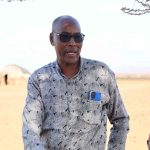
Speaking to Shajara, Kenya Wildlife Service (KWS) North Eastern Regional Warden Bakari Chongwa called on residents to take precautionary measures, particularly following recent snakebite incidents reported in the county.
Chongwa urged households to keep their surroundings clean and free of hiding places that could attract snakes into residential areas. He also advised residents to abandon harmful traditional practices associated with snakebite treatment and instead ensure victims are rushed to hospital for immediate medical attention.
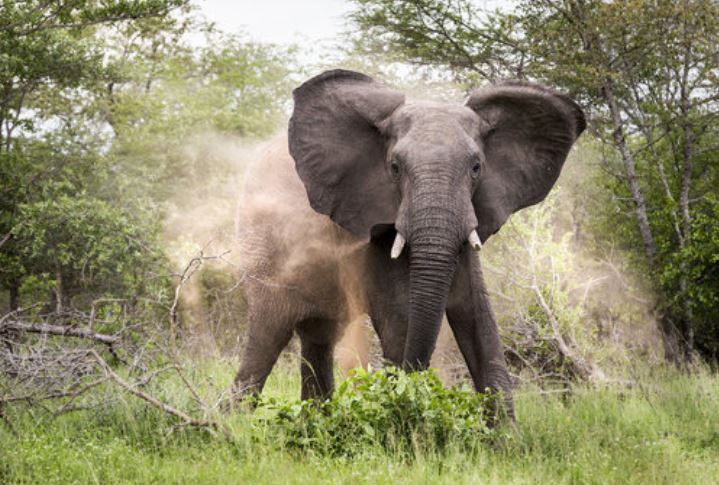
The KWS official further warned that human-wildlife conflicts could increase across Marsabit as animals venture closer to human settlements in search of water and food due to the prolonged dry conditions.
However, he noted that some of these conflicts can be prevented if residents support the conservation and protection of the fence surrounding Marsabit National Park, which helps keep wildlife away from populated areas.
Chongwa also appealed to the public to work closely with KWS by promptly reporting sightings of wildlife, including snakes, in their neighbourhoods. He said this would enable wildlife officers to safely capture the animals and return them to their natural habitats.
The warning comes amid growing concern over fatal snakebite incidents in the county.
Less than two weeks ago, an eight-year-old boy died after being bitten by a puff adder in Boruharo village, Dirib Gombo location, Marsabit Central Sub-county, on August 18.
In a separate incident, a 16-year-old Class Eight pupil, Barako Adano Barile, died on Monday after being bitten by a snake in Saru, Dukana. The teenager was reportedly attacked by the snake last Friday while herding his father’s livestock.






Post Comment