







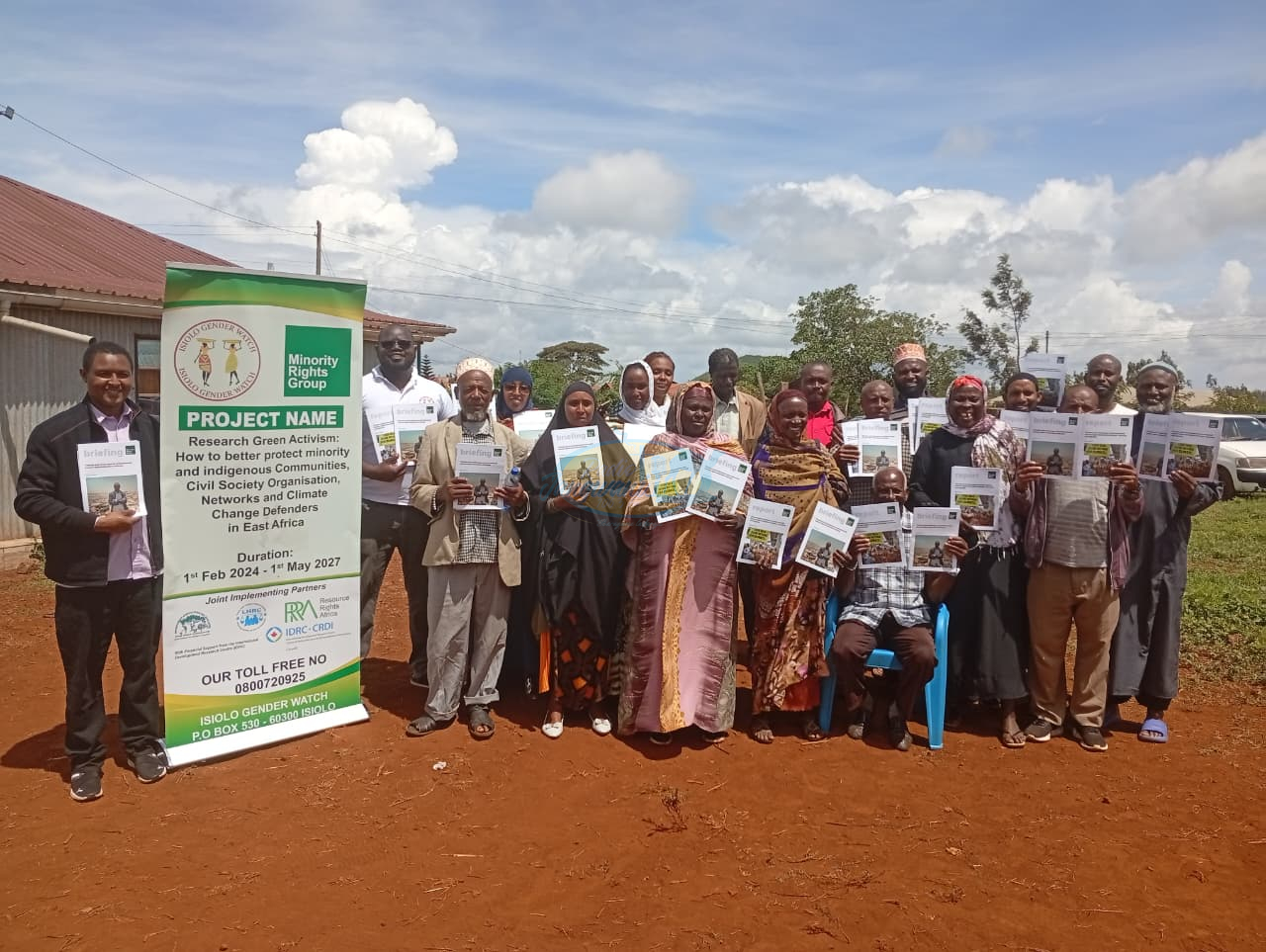
Environmental rights defenders in Marsabit and Isiolo continue to face threats and harassment
By Johnbosco Nateleng
Human rights defenders working on environmental issues in the pastoralist counties continue to face a range of challenges, including threats and harassment, leading some to fall silent and weakening efforts to protect community rights.
According to a report by Isiolo Gender Watch, conducted between August 2024 and August 2026 in Marsabit and Isiolo counties, environmental activists have been threatened by some political leaders, members of the public and even fellow community members, putting their safety and lives at risk.
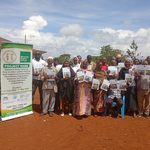
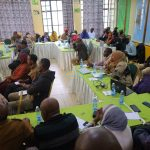
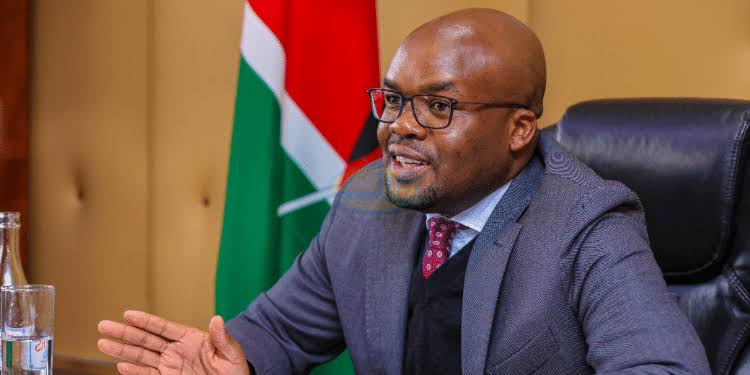
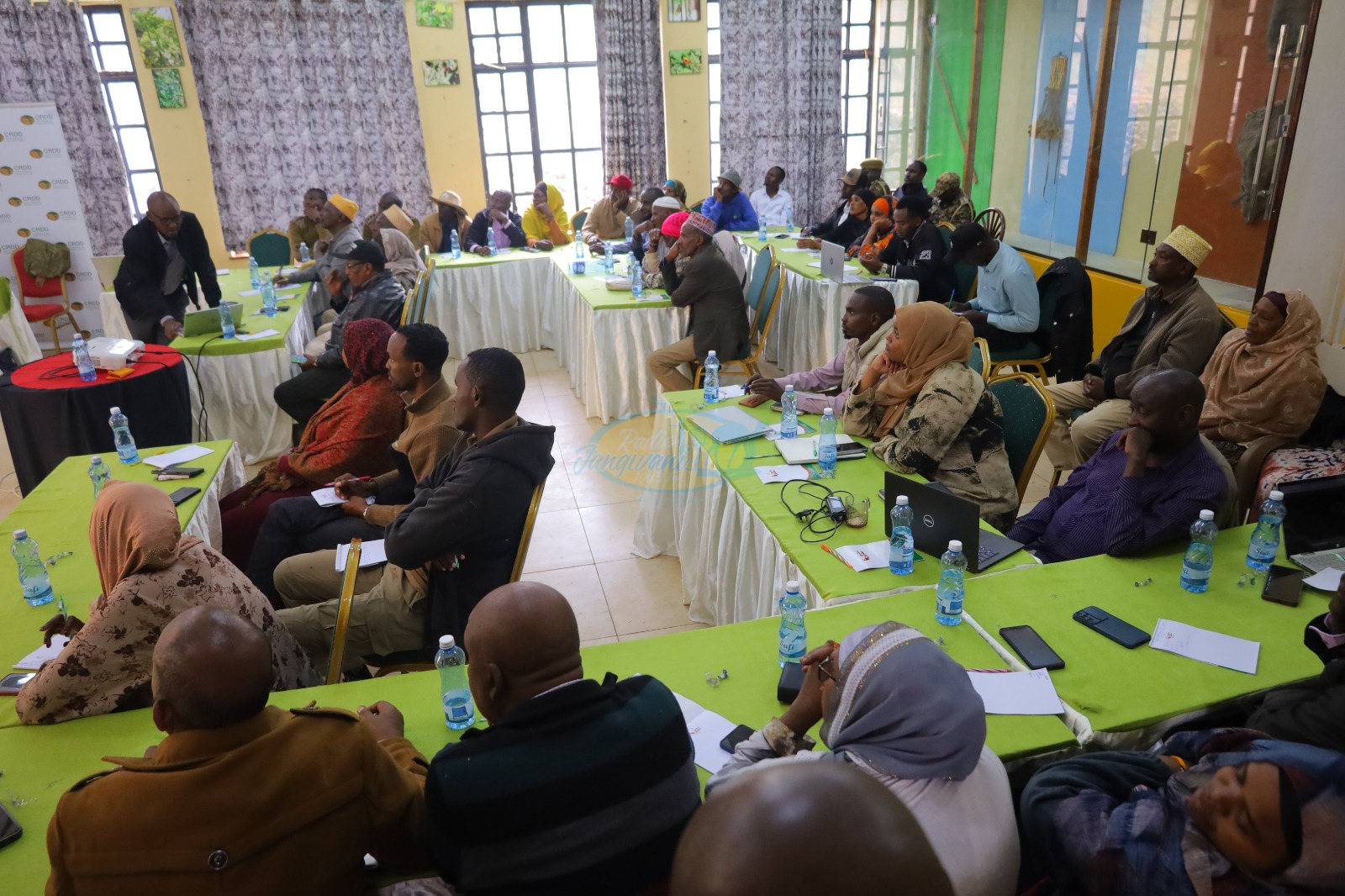
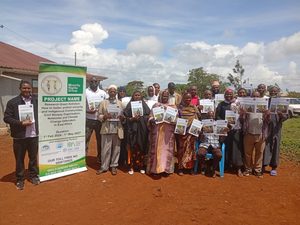
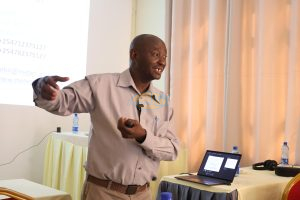
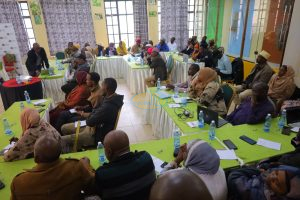
Speaking to journalists today at a meeting that brought together community members from Saku, held under the Research Green Activism project, Isiolo Gender Watch programme manager George Ekai said there is still a need to step up awareness of citizens’ rights, particularly land and environmental rights.
Ekai said cases of activists being abducted continue to be reported in pastoralist areas, especially when they oppose projects that could harm the environment.
For his part, activist Mohamed Hassan said the report will help in developing effective strategies to empower activists to speak out and to ensure action is taken against those who violate human rights.
Activist Isaac Dokhle also backed the report’s findings, saying some activists in Marsabit County continue to face harassment from some leaders, which puts them in danger as they carry out their work of defending community rights.
The report also highlights challenges in access to education. It found that 64 percent of respondents in Marsabit County said they had no formal education, while 45 percent of respondents in Isiolo County gave the same answer.
In addition, young people aged between 18 and 35 make up more than half of the population. However, despite being able to use digital technologies to read, write and raise community awareness on environmental conservation, the report says they lack formal mentorship systems, institutional protection and opportunities to take part in decision-making processes. This, it says, prevents them from participating fully in efforts to tackle climate change.





Post Comment