









FGM and Child Marriage Remain a Threat to Girls in Marsabit
By Nyabande Orwa.
Female Genital Mutilation (FGM), child marriage and teenage pregnancies continue to pose a serious threat to the lives and future of girls in Marsabit County, which remains among the counties with the highest prevalence of harmful practices in Kenya.
The 2022 Kenya Demographic and Health Survey (KDHS) shows that 83 per cent of women in Marsabit have undergone FGM, compared to the national average of 15 per cent. The county also records a 40 per cent prevalence of child marriage, with girls married before the age of 18, the second-highest rate nationally after Tana River County.
Marsabit also ranks third nationally in teenage pregnancies, with 29 per cent of girls aged between 15 and 19 having experienced pregnancy.
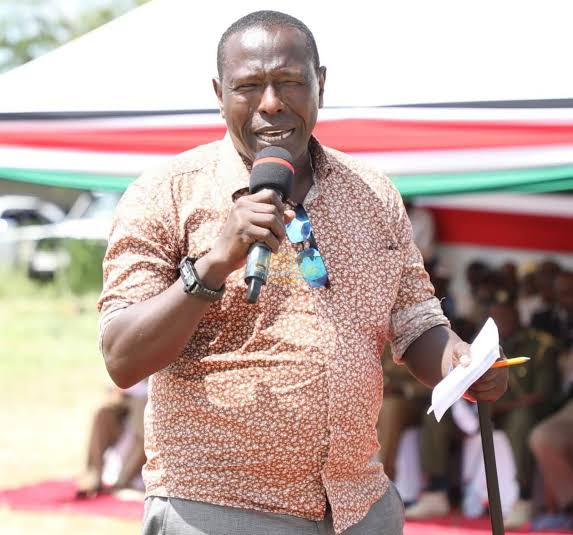
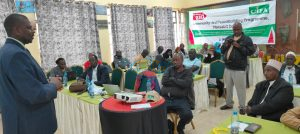
Speaking after a meeting of the Gender Technical Working Group, Marsabit County Executive Committee Member for Culture, Gender and Social Services Armara Galwab identified deep-rooted cultural practices, inadequate resources and the county’s vast geographical coverage as major obstacles in the fight against gender-based violence.
Galwab said some cultural practices remain deeply entrenched in local communities, making it difficult to eliminate harmful practices such as FGM and child marriage.
“Some of these cultural practices are deeply rooted in our communities. We also face challenges of inadequate resources, which continue to hinder our efforts to effectively address gender-based violence across the county,” said Galwab.
He further pointed to the vastness of Marsabit County and the long distances between communities, saying these factors make it difficult for stakeholders to reach vulnerable populations, particularly those living in remote areas.
“The geographical coverage of Marsabit County makes it difficult for stakeholders to reach every community, especially those in remote areas. We need more resources and stronger partnerships to ensure that no one is left behind,” he added.
During the meeting, stakeholders pledged to strengthen collaboration in tackling gender-based violence through joint interventions and increased community awareness.
They also agreed to establish groups comprising 10 boys and 10 girls in every sub-county to engage young people in educating their peers and communities on the dangers of harmful cultural practices and gender-based violence.
Galwab appealed to development partners and donors to increase funding and support initiatives aimed at protecting women and girls from abuse.
Meanwhile, Plan International Marsabit Project Coordinator Abudho Isacko said non-governmental organisations were working together to ensure survivors of gender-based violence receive appropriate support, protection and opportunities to rebuild their lives and reintegrate into society.
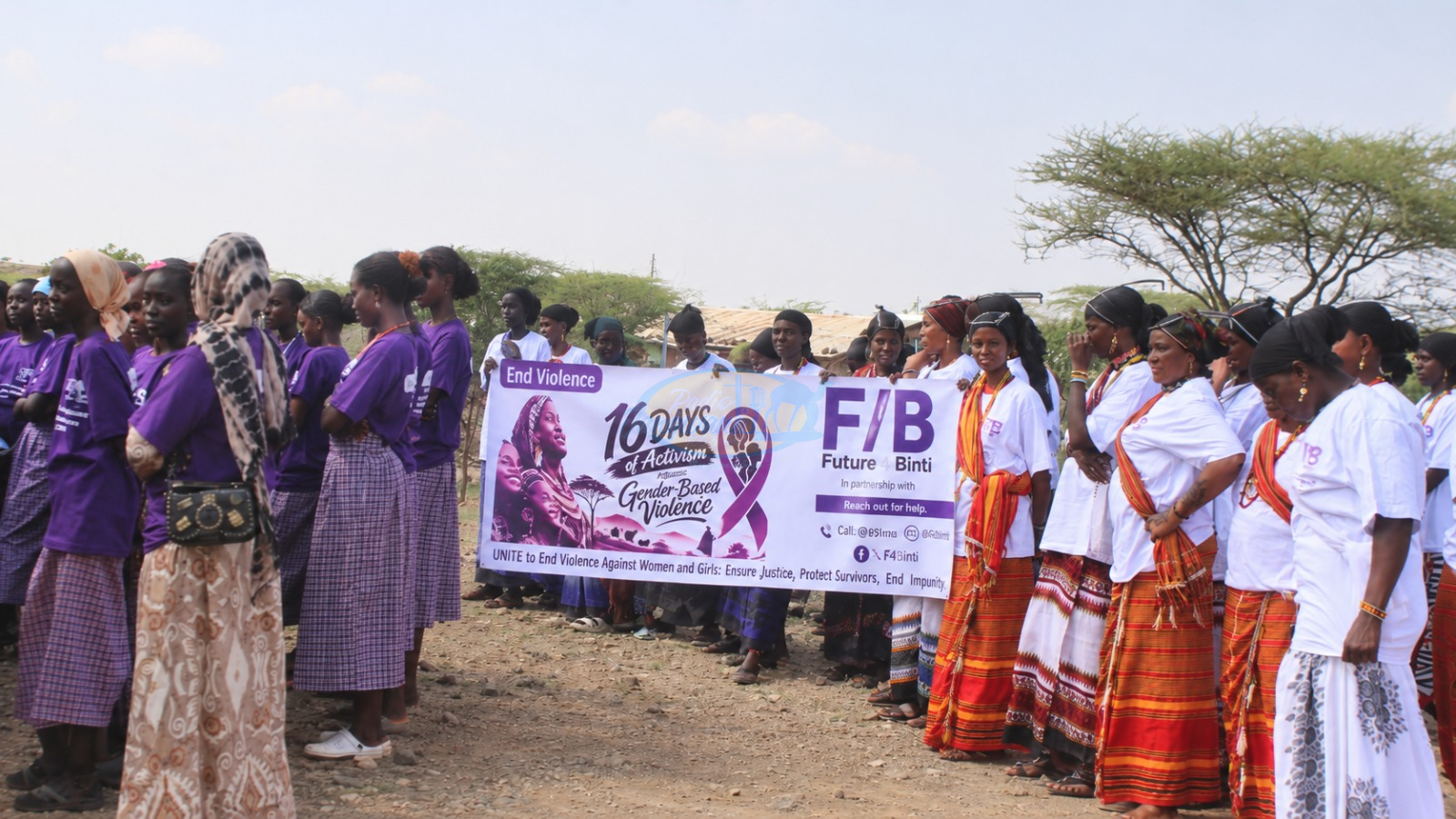
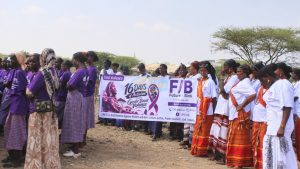
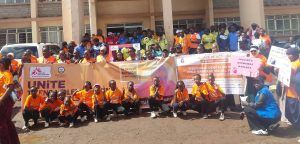
The developments come as the world marks the 2026 edition of the 16 Days of Activism Against Gender-Based Violence campaign, under the theme “UNiTE to End Violence Against Women and Girls: Ensure Justice, Protect Survivors, End Impunity.”
The campaign calls for improved access to justice for women and girls, protection of survivors and accountability for perpetrators of violence in homes, workplaces, public spaces and online.






Post Comment