












Moyale refugees hit 40,000 as County Commissioner appeals for urgent aid
By Nyabande Orwa.
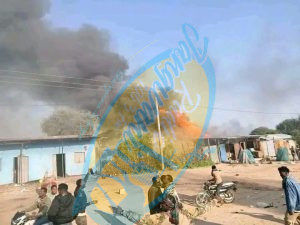
The number of Ethiopian refugees crossing into Kenya has risen sharply as fighting in Ethiopia enters its seventh day, with an estimated 40,000 people now sheltering in Moyale, Marsabit County.
Marsabit County Commissioner Stanley Kamande made the revelation on Saturday, October 24, after touring Moyale to assess the security situation and the humanitarian needs of the new arrivals.
According to Kamande, the influx began on Thursday last week with about 2,000 refugees. Within days, that number has grown to 40,000, and gunfire can still be heard from across the border.
“Ethiopian refugees continue to flee into Kenya, the war is still going on and gunshots can still be heard. We started with 2,000 refugees last Thursday, and now we estimate 40,000,” Kamande said.
The commissioner said the refugees are facing severe hardship, including a shortage of clean water, toilets and food, which is adding pressure to an already growing humanitarian need in the border town.
He noted that families have no basic items to sleep on or cover themselves with at night, in an area that receives heavy rainfall.
“The biggest problem with these refugees is that they lack bedding. They have no nets, no toilets and nothing to cover themselves with at night,” he said.
Kamande appealed to humanitarian agencies, the government and other well-wishers to move in quickly with water, food, shelter, sanitation facilities, mosquito nets and blankets before the situation worsens.
The commissioner also moved to calm residents of Moyale and the wider border region, assuring them that security agencies are tightening surveillance along the Kenya-Ethiopia border to prevent the conflict from spilling into Kenyan territory.
“We have deployed enough security along our borders, and our military is doing its job as usual,” he said.
Some of the refugees who spoke to journalists expressed gratitude to Kenya for opening its doors to them. However, they said they still do not feel safe, and called for stronger protection.
“We are very happy that your country has hosted us, but we are not safe because bullets are still shooting at us from here,” one of the refugees said.
As the fighting shows no sign of ending, authorities and aid agencies now face the urgent task of feeding, sheltering and protecting the thousands of people who have sought refuge on Kenyan soil.













Post Comment