









How El Niño battered Marsabit in 1997–98
By Silvio Nangori
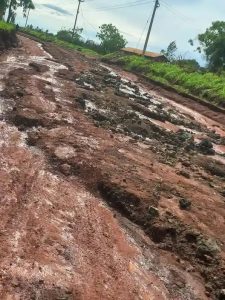
The 1997–98 El Niño rains had a severe impact on Marsabit, disrupting transport, damaging roads and bridges, and leaving communities facing serious health concerns.
Historical damage estimates show that Marsabit recorded an estimated US$50,000 equal to Ksh 6.5 million in damage to roads during the El Niño period.
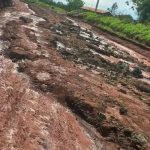
The effects were particularly severe along the Marsabit-Moyale road, which became impassable after heavy rains.
A report one of the Newspapers November 19, 1997, said more than 50 lorries carrying fuel, food and other essential commodities worth more than US$100 million equal to kshs 12,941,000,000 in destined for Marsabit and Moyale had been stuck in mud for several days between Sereolevi and Merrille.
Heavy livestock losses
Estimates comparing livestock mortality during the 1996–97 drought with mortality during the 1997–98 El Niño show particularly high losses among sheep and goats in several divisions.
In Central Division, mortality during the El Niño was estimated at 1 per cent for cattle, 66.7 per cent for sheep, 66.7 per cent for goats and zero for camels.
In Laisamis, estimated mortality during the El Niño stood at 6.1 per cent for cattle, 77 per cent for sheep, 77 per cent for goats and 28.9 per cent for camels.
In Loiyangalani, mortality was estimated at 9.7 per cent for cattle, 68.3 per cent for sheep, 68.3 per cent for goats and 16.7 per cent for camels.
In Maikona, the estimates put El Niño-related mortality at 1 per cent for cattle, 22.8 per cent for sheep, 22.8 per cent for goats and 18 per cent for camels.
In North Horr, mortality was estimated at 12.8 per cent for cattle, 48.6 per cent for sheep, 48.6 per cent for goats and 20 per cent for camels.
The figures show that the impact varied across divisions and livestock species, with sheep and goats recording some of the highest estimated mortality rates during the El Niño period.
The disruption threatened the movement of essential supplies to the region at a time when heavy rains were already affecting transportation.
Marsabit also recorded damage to its bridge infrastructure.
According to historical estimates of El Niño damage, two bridges in Marsabit were damaged during the rains.
Another report October 29, 1997, reported that bridges had been swept away in Marsabit, highlighting the extent to which the heavy rains were affecting transport infrastructure.
The impact of the rains was not limited to roads and bridges.
Historical newspaper records from the period also report a deadly disease outbreak in Marsabit.
On January 23, 1998, carried the headline “Disease kills 24 people in Marsabit.”
Another report dated January 16, 1998, referred to a deadly disease in Marsabit that had killed 20 people.
The differing figures appear in reports from different dates, but both point to a serious disease situation in Marsabit during the period.
By January 1998, the effects of the El Niño weather were still being felt.
The experience of 1997–98 therefore provides a stark historical picture of what heavy El Niño rains meant for Marsabit: roads became impassable, bridges were swept away, essential supplies were delayed, and the period was accompanied by reports of deadly disease.
For Marsabit, the history of the 1997–98 El Niño demonstrates that the consequences of extreme rainfall can extend well beyond flooding, affecting transport, access to essential commodities, infrastructure and public health.








Post Comment