










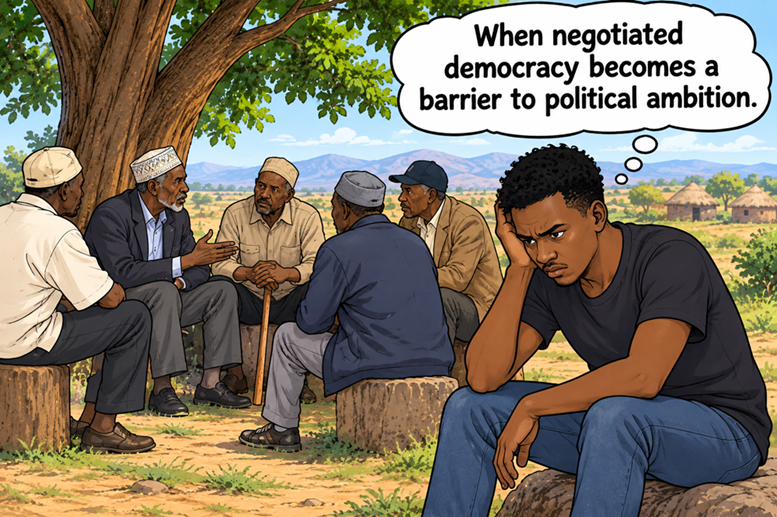
When negotiated democracy becomes a barrier to political ambition in Marsabit
By Nangori Silvio
Across parts of Northern Kenya, the decision on who should contest an elective position is sometimes settled long before voters walk into polling stations.
Behind closed-door meetings, community consultations and gatherings of elders, political positions can be informally negotiated and distributed among individuals or groups in the name of maintaining unity and avoiding divisions during elections.
The practice, commonly associated with negotiated democracy, has helped some communities minimise political competition and preserve cohesion.
But for a growing number of young people and women aspiring to elective office, the same practice is increasingly raising difficult questions about who gets the opportunity to compete.
For a young person preparing to contest a Member of County Assembly seat, for instance, months or even years of mobilisation can come to an abrupt end when elders reach an agreement that another person should carry the community’s ticket.
The aspiring candidate may be asked to step aside for the sake of consensus.
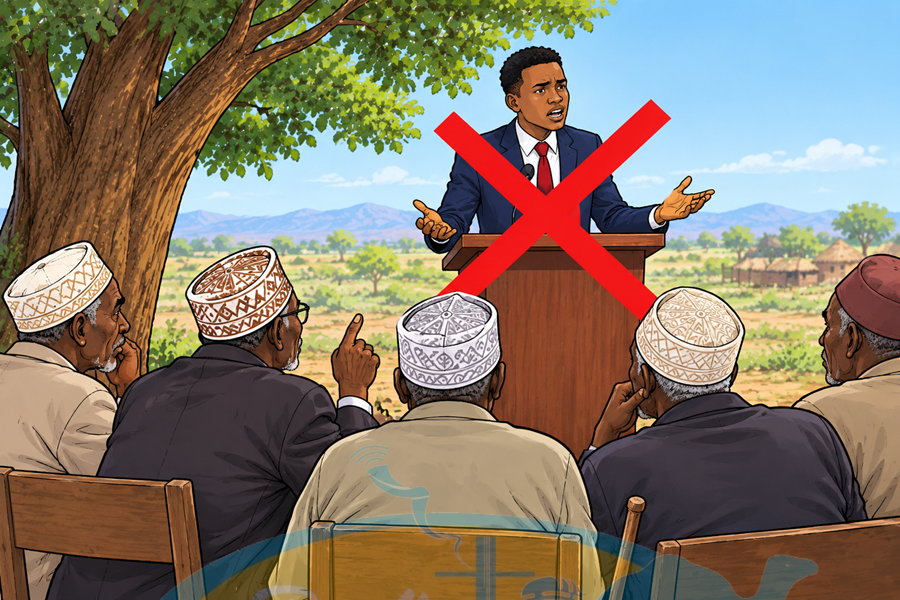
In some cases, the argument is that the position has already been allocated to a particular person, family, clan or section of the community.
The expectation is that those who have been left out will wait for their turn.
But the question is: How long should an aspiring leader wait, and who decides when their turn has arrived?
The issue becomes more complicated when negotiated arrangements repeatedly favour older and more established political figures while younger candidates are encouraged to remain on the sidelines.
For many young people, elective politics is not simply about holding office. It is also an opportunity to introduce new ideas into communities facing changing economic, social and environmental realities.
Youth unemployment, climate change, insecurity, access to education, healthcare, water and economic opportunities require leaders who understand the changing aspirations of a younger generation.
Yet political negotiations can sometimes leave young aspirants with limited room to test their popularity among voters.
A candidate may have the resources to campaign, the support of young voters and a clear political agenda, but still face pressure to withdraw because elders have already reached a consensus.
The same concern applies to women seeking elective positions.
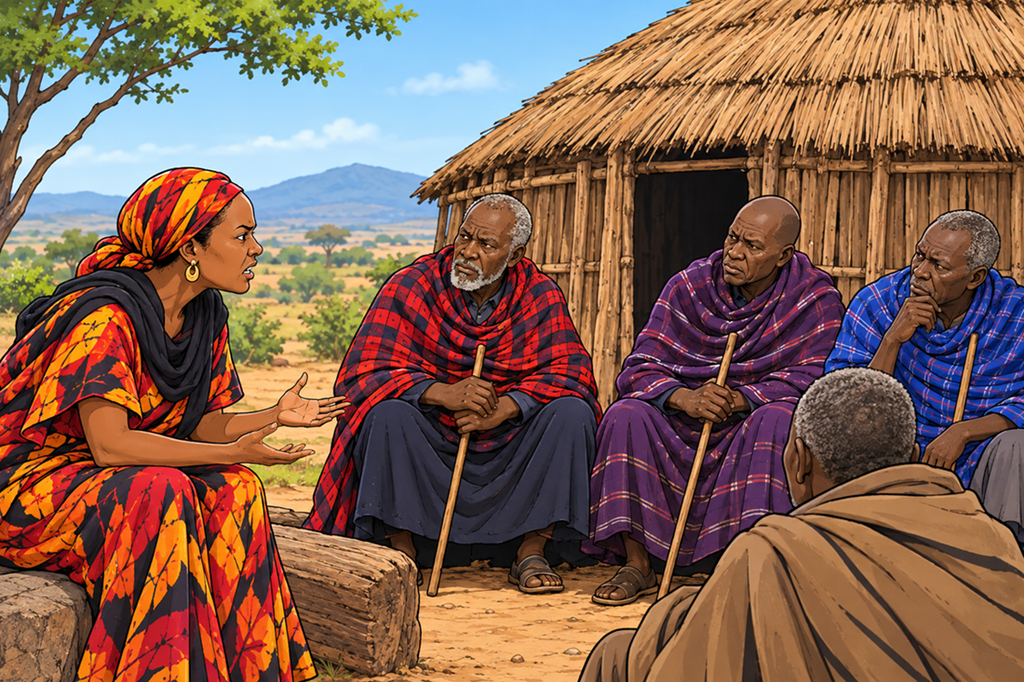
Although women continue to increase their participation in Kenyan politics, traditional political structures can sometimes make it difficult for them to secure support where political decisions are largely negotiated among male elders.
A woman may have the qualifications, community support and ambition to contest an MCA, parliamentary or other elective seat, but find herself competing against an established political arrangement that was reached without her meaningful participation.








Post Comment