






Growing demand for eye care exposes specialist shortage in Marsabit County
By Silvio Nangori
As hundreds of residents across Marsabit County seek treatment for cataracts, corneal ulcers and other eye conditions, health experts are raising concern over a shortage of ophthalmologists and specialized eye care professionals, warning that the growing demand for services is stretching the county’s capacity to respond.
The call for action was made by eye specialist Dr. Kagendo Kahunyo during a two-day free eye treatment outreach programme at the Marsabit County Referral and Teaching Hospital.
Dr. Kahunyo urged the Marsabit County Government to recruit more ophthalmologists and eye care professionals, saying many residents are forced to travel long distances in search of treatment due to a shortage of specialists in the region.
According to the specialist, the increasing number of patients seeking treatment demonstrates the urgent need for greater investment in eye health services, including the deployment of more trained personnel and equipment.
Her remarks come at a time when eye care outreach programmes are attracting large numbers of residents from different parts of the county, highlighting both the growing need for services and the challenges many people face in accessing specialized treatment.
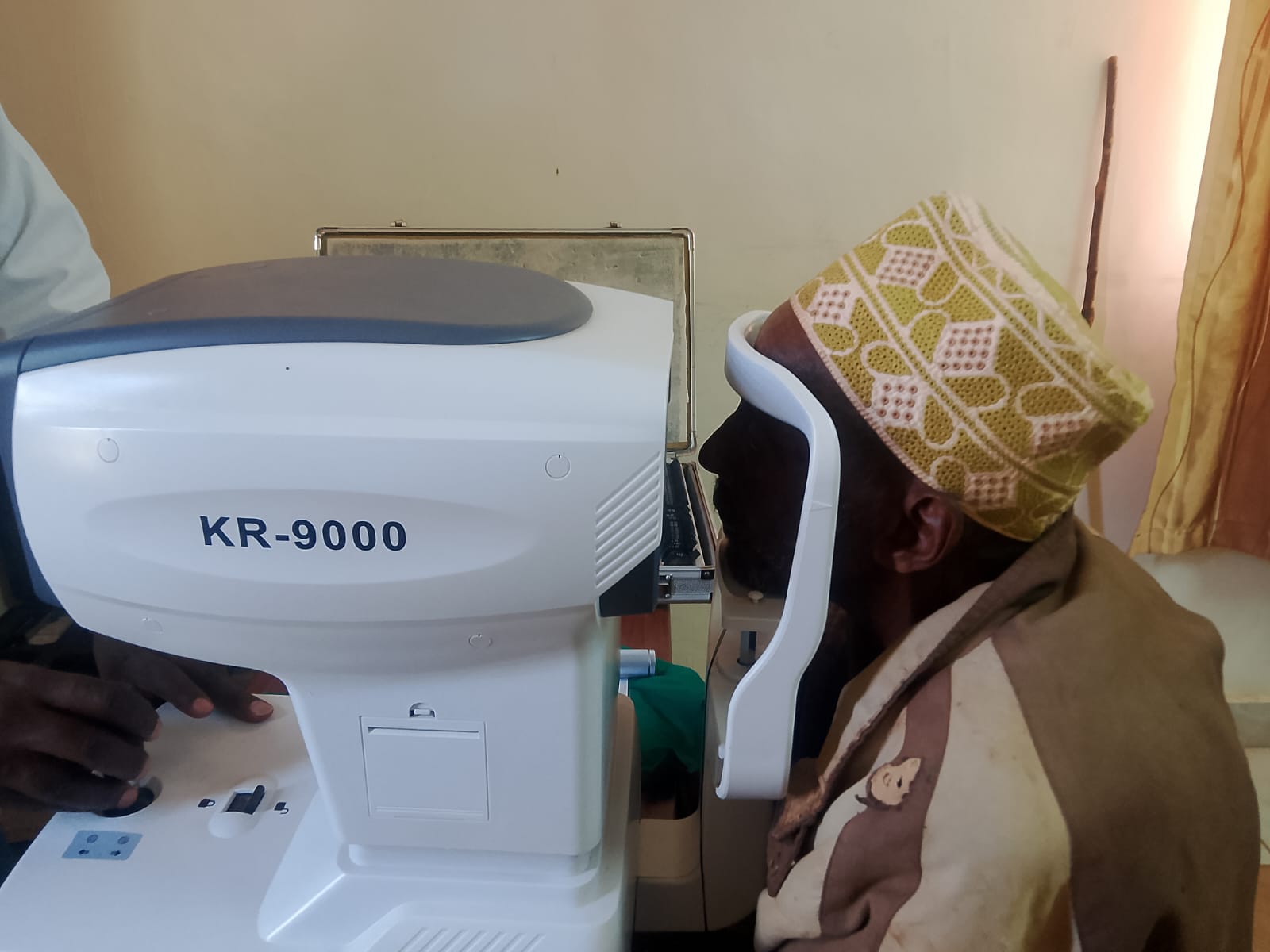
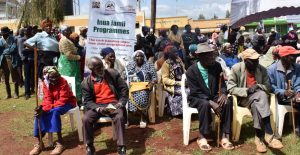
During the outreach programme at the Marsabit County Referral and Teaching Hospital, hundreds of residents benefited from free eye screening and treatment services.
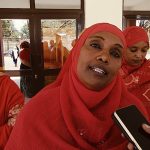
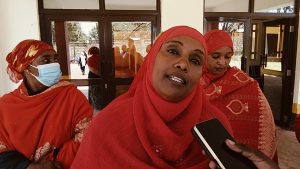
Amina Duba, Coordinator of the Eye Care Department at the hospital, said cataracts and corneal ulcers were among the most common conditions diagnosed during the exercise.
The findings point to a significant burden of eye diseases within the county and underscore the importance of continued interventions aimed at early detection and treatment.
Health professionals warn that delays in seeking treatment can have serious consequences.
Dr. Kahunyo urged residents to seek medical attention as soon as they notice eye-related problems, noting that untreated conditions can lead to serious complications, including preventable blindness.
The demand for services has also been evident during other eye health initiatives conducted in the county.
During a free eye treatment outreach programme, residents were encouraged to prioritize eye health and seek treatment early. Amina Duba noted that many residents still lack adequate information about registration under the Social Health Authority (SHA), calling for increased public awareness, particularly in remote areas.
The outreach programme attracted large numbers of patients.
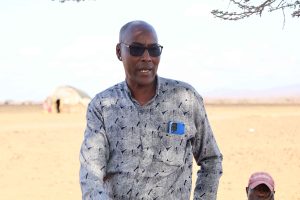
Qatar Charity Kenya representative Abdullahi Alio said approximately 500 people turned up on the first day of the exercise, out of an expected 1,000 patients targeted during the two-day programme.
According to Alio, many of those seeking treatment were suffering from eye-related conditions, including allergies and cataracts.
He advised residents to protect themselves from dust and strong sunlight and to seek medical attention whenever they experience eye problems.
The programme also planned cataract surgery for 60 patients identified during the exercise.
Beyond treatment camps, community outreach programmes are helping identify eye conditions among residents who may otherwise struggle to access healthcare services.
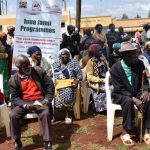
Through the Marsabit Low Vision Empowerment (MLOVE) Project, a total of 423 residents were screened for various eye conditions in Ilpus, Bubisa and Turbi.
The screenings identified cases of cataracts, refractive errors, suspected glaucoma and other low-vision conditions among community members.
The project is being implemented by Caritas Marsabit in partnership with CBM Global Disability Inclusion, CBM Christoffel Blindenmission Schweiz and the Marsabit County Department of Health, including the Eye Unit.
According to the partners, the initiative aims to address barriers to eye care and support people living with visual impairments across the county.
Peter Okello, Coordinator of the Low Vision Empowerment Project under Caritas, said the programme has also been implemented in Dirib Gombo, Laisamis and Turbi, among other areas.
He said the project seeks to reduce the burden of eye diseases through community outreach, early detection, treatment and referrals for specialized care, particularly among vulnerable populations in remote and underserved communities.
Efforts to improve access to eye care have also reached Moyale, where residents recently received free eye screening, treatment and consultations through a Free Cataract Surgery Camp held at Moyale Sub-County Hospital from September 8 to 10, 2026.
Patients identified through screening were offered free cataract surgery, while others received consultations, treatment and reading glasses.
The initiative was supported by the County Government of Marsabit, Klear I Africa and the Centres for Health and Education Programmes (CHEPs).
Eye health awareness campaigns have also formed part of the county’s response to vision-related challenges. In October 2024, World Sight Day was commemorated in Loglogo through free eye screening activities at Loglogo Primary School, with a focus on promoting early detection and treatment, particularly among children.
Taken together, the growing number of patients seeking treatment, the increasing detection of cataracts and other eye conditions, and the repeated calls from health professionals point to a common challenge: the need for more specialized eye care services in Marsabit County.
While outreach programmes continue to bring screening, treatment and surgery closer to communities, health stakeholders maintain that sustained investment in personnel, equipment and eye health services will be essential in meeting the rising demand and preventing avoidable vision loss among residents.






Post Comment