



How a Catholic mission in Korr, Marsabit Diocese is keeping children learning after dark
By Nangori Silvio
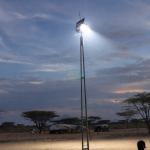
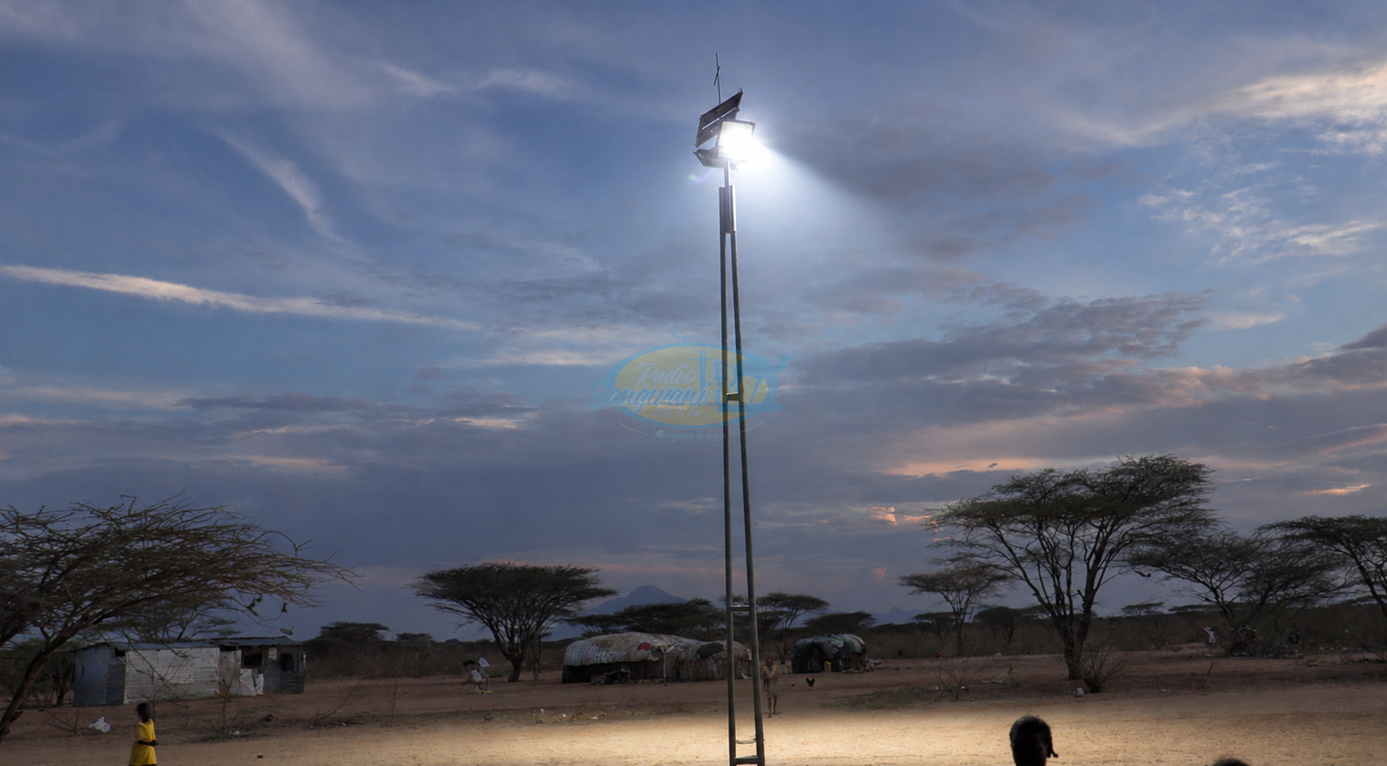
Before the solar lights came, children in some villages in Korr around the Catholic mission had to leave home to find light. During the school term, they gathered at Don Bosco parish at night and studied until midnight. Then they walked home in the dark.
Now they study just outside their own homesteads.
The change comes from a small project by the Salesians of Don Bosco Korr, which has installed communal solar lights in manyattas and schools across the area. When the sun sets over the Kaisut Desert, homework in many Korr homes used to end with it. Without electricity, children in the manyattas, the traditional homesteads of the Rendille struggled to read once darkness fell.
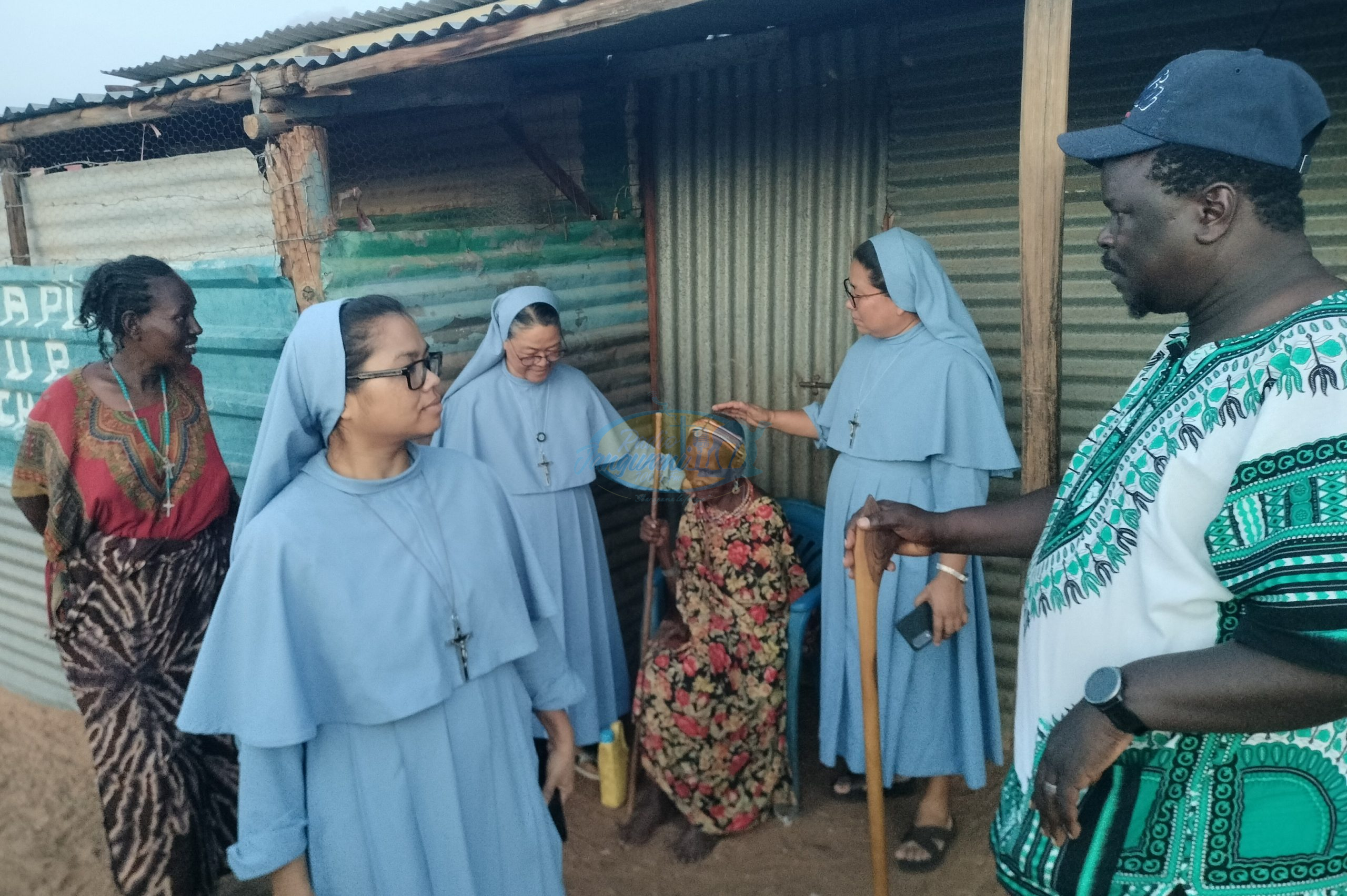
“For these children, finding a place and time to study, especially in the evening, is not easy because of the lack of light, So we did a small project of solar lights in various manyattas.” said Fr. George Tharayil SDB, the Provincial Superior of the Salesians in Eastern Africa.
According to Fr. Eric Owuor, the Parish Priest, 27 solar lights have been installed in total, in manyattas and in five schools, Korr Primary, Nomadic Kurtider Primary, Lekuchula Primary, Amalio Primary and Korr Mixed Secondary School. The lights are communal, shared by families rather than owned by one household, and are expected to benefit about 1,800 households.
The lights serve more than one purpose. Fr. George said children can now play in the evening under their glow, and sit and read under them as well. A resident of Naabo, one of the villages that benefited, said movement around the manyattas at night is also easier than before.
The need is practical. Many children from the area study in local schools or stay in the mission’s boarding facilities, but the hours at home matter too. Fr. George noted that Kenya’s education system now stresses computer skills and that the Salesians have set up a computer centre, but a child who cannot see a page after dusk loses precious study time.
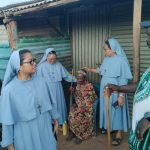
The project fits the Salesian approach, built on the charism of St. John Bosco, of caring for the young through education and loving presence. The mission sponsors about 300 children or more in school, runs boarding facilities for girls and boys, and hosts between 300 and 500 young people at its oratory during holidays.
A separate solar project at the mission
The year 2025, Don Bosco Korr had also received solar support of a different kind. Schneider Electric donated a containerized mobile solar microgrid from its Villaya range to the mission. The system is built locally and generates at least 10 kilowatt peak. It is meant to power the mission’s health centre, keeping medical equipment and vaccine refrigerators running and allowing nighttime services. It will also power classrooms and the computer lab for primary, secondary and computer students.
Speaking during the handover, Schneider Electric East Africa Country President Ifeanyi Odoh said the installation is intended to close deep energy gaps in marginalised regions.
“The Villaya solution not only meets immediate energy needs but also lays the foundation for long-term growth, improved healthcare, and enhanced education,” said Odoh.
The mission’s Parish Priest, Fr. Eric Owuor, called the microgrid “a game-changer for our community.” This project is separate from the communal solar lights in the manyattas and schools.
History of the Mission
The lights are the latest chapter in a mission story that began more than 50 years ago. In 1972, an Italian priest, Fr. Redento Tignonsini, founded a simple mission in Korr, then largely bush where nomads came only in the rains to graze their livestock.
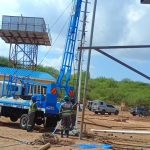
He dug wells, found water, and showed that a permanent settlement was possible. He built a dispensary for the sick and a shop for basic goods, aiming to show Christ’s love through development that respected local culture.
The Salesians took over in 1981, and today the mission, about 600 km from Nairobi, provides education, health care and food support in one of Kenya’s most isolated regions.



Post Comment